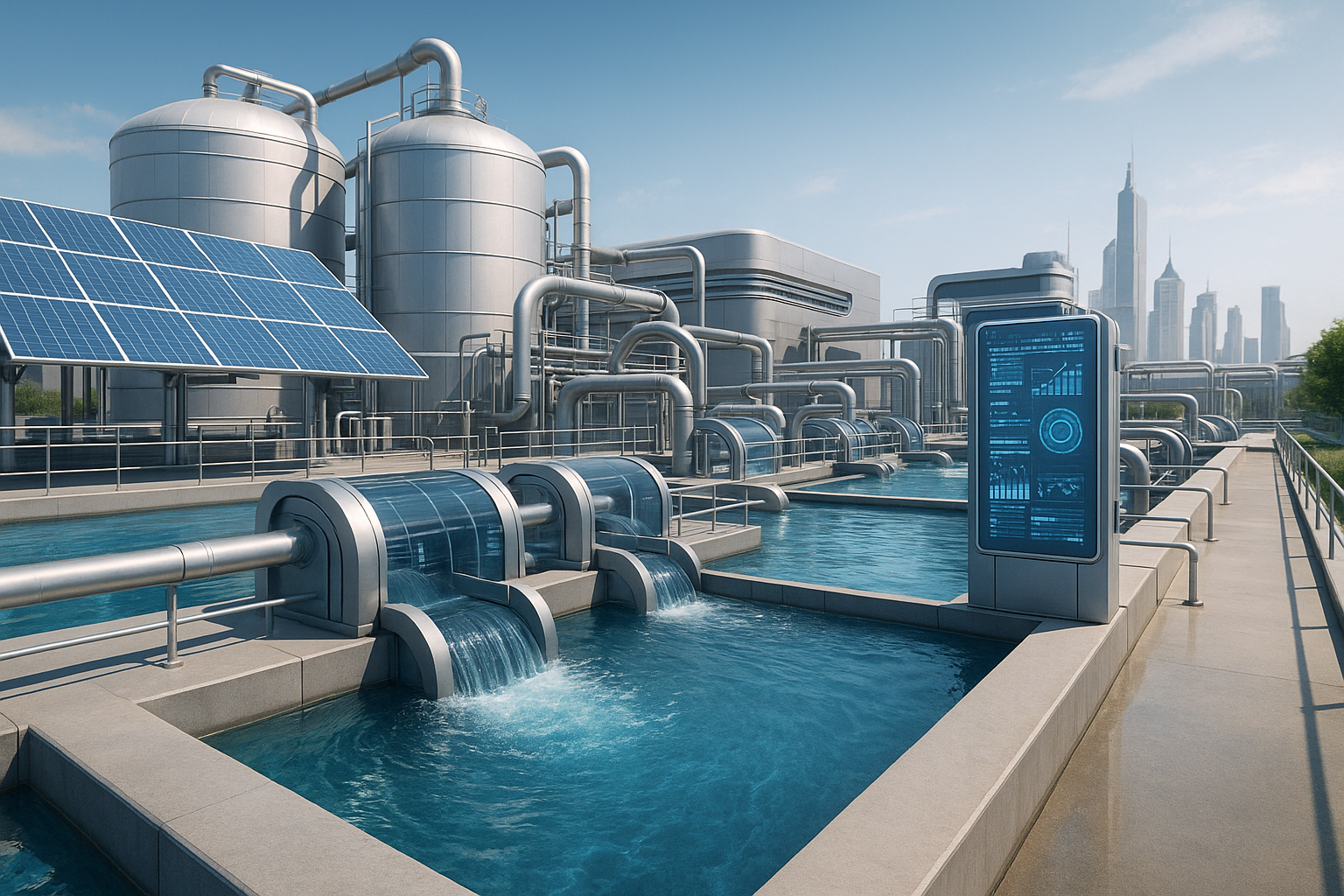
In recent years, the global demand for clean water has surged, driven by population growth, industrial expansion, and the impacts of climate change. As a result, the need for innovative wastewater treatment technologies has become more critical than ever. Fortunately, advancements in this field are revolutionizing how we manage and treat wastewater, paving the way for a more sustainable future.
The Current State of Wastewater Treatment
Traditional wastewater treatment methods have primarily relied on physical, chemical, and biological processes to remove contaminants. While effective to a degree, these methods often face limitations in efficiency, cost, and environmental impact. Moreover, they may not be sufficient to address emerging contaminants such as pharmaceuticals, microplastics, and heavy metals.
Emerging Technologies
1. Membrane Bioreactors (MBRs): MBRs combine biological treatment and membrane filtration, offering higher efficiency and smaller footprints compared to conventional systems. They are particularly effective at removing pathogens and producing high-quality effluent suitable for reuse.
2. Anaerobic Digestion: This process breaks down organic matter in the absence of oxygen, generating biogas as a byproduct that can be used for energy. Anaerobic digestion is becoming a popular choice for treating industrial and municipal wastewater due to its energy recovery potential.
3. Advanced Oxidation Processes (AOPs): AOPs use powerful oxidants to degrade complex organic pollutants that are resistant to conventional treatment methods. Technologies such as ozone treatment and Fenton reactions are gaining traction for their ability to break down persistent contaminants.
4. Electrochemical Treatment: This method uses electrical currents to remove contaminants from wastewater. It is effective in treating a wide range of pollutants and offers the advantage of minimal chemical usage.
5. Nanotechnology: Nanoparticles can be used to target specific contaminants with high precision. This technology holds promise for removing heavy metals and other difficult-to-treat pollutants from wastewater.
The Role of Artificial Intelligence
Artificial intelligence (AI) is playing an increasingly important role in optimizing wastewater treatment processes. AI algorithms can analyze vast amounts of data to improve operational efficiency, predict maintenance needs, and enhance decision-making.
The Path Forward
As these innovative technologies continue to evolve, they offer a promising pathway toward achieving sustainable water management. By integrating these solutions into existing infrastructure, we can significantly reduce the environmental impact of wastewater treatment while ensuring that communities have access to safe, clean water.
In conclusion, the future of wastewater treatment lies in embracing cutting-edge technologies that not only meet current challenges but also anticipate future ones. As we move forward, collaboration between researchers, industry leaders, and policymakers will be crucial in driving these innovations to market and ensuring their widespread adoption.
 HITESH ENVIRO ENGINEERS PVT LTD
Leave a comment