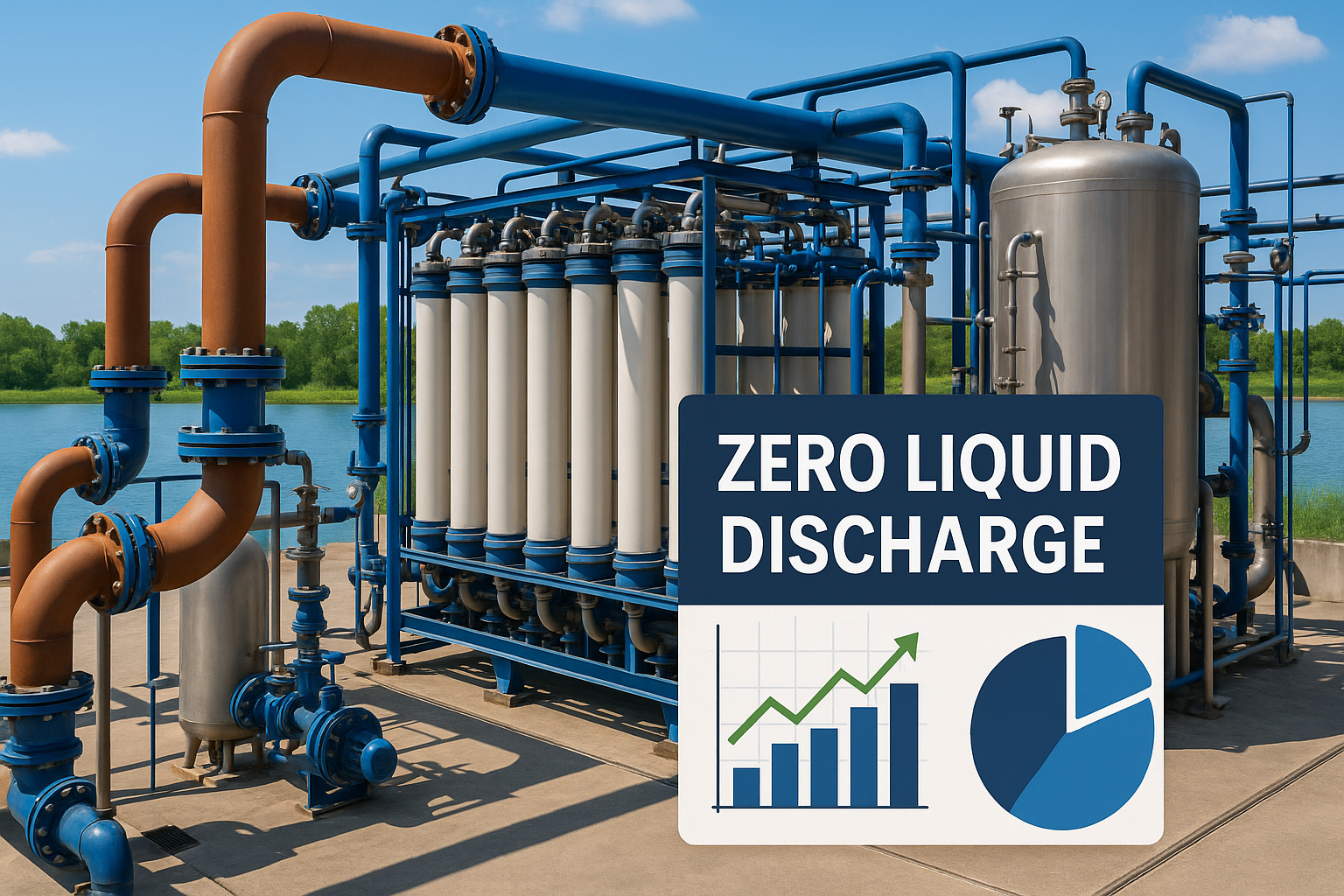
Understanding Zero Liquid Discharge (ZLD)
In today’s rapidly evolving industrial landscape, the concept of Zero Liquid Discharge (ZLD) is gaining significant traction. But what exactly is ZLD? At its core, ZLD is an advanced wastewater treatment process that ensures no liquid waste is discharged into the environment. This is achieved by recovering and reusing all wastewater, making it a highly sustainable solution for industries.
Components and Implementation of ZLD Systems
ZLD systems comprise several key components that work in tandem to treat and reclaim wastewater. These include:
– Evaporators and crystallizers: These technologies concentrate the wastewater to recover clean water and precipitate solids.
– Membrane technologies: Advanced filtration methods like Reverse Osmosis (RO) play a pivotal role in removing contaminants.
– Brine concentrators: Specialized equipment that further reduces the volume of wastewater.
Industries can opt for either partial or complete ZLD systems based on their specific needs and regulatory requirements.
The Regulatory Push for ZLD Adoption
India’s regulatory landscape is increasingly stringent regarding industrial wastewater discharge. The consequences of non-compliance can be severe, including penalties up to ₹1 crore or even facility closure. These regulations, coupled with industry-specific compliance mandates, are driving industries to invest in ZLD solutions.
Financial Implications of ZLD Implementation
Implementing ZLD systems requires careful financial consideration. The initial capital expenditure can be significant, but it’s essential to view this as a strategic investment rather than a mere cost. Industries have reported a 30-40% reduction in freshwater consumption, leading to substantial long-term savings.
Moreover, the recovery of valuable materials such as salts and metals can offset 15-25% of operational costs. This not only aids in cost recovery but also enhances overall profitability.
Calculating ROI for ZLD Systems
When assessing the return on investment (ROI) for ZLD systems, consider the following:
– Initial and operational costs: Factor in installation, maintenance, and energy expenses.
– Water savings: Reduced dependency on external water sources translates to direct savings.
– Material recovery: The sale or reuse of by-products adds to revenue streams.
Beyond Compliance: Strategic Business Benefits
Investing in ZLD systems offers businesses advantages beyond regulatory compliance:
– Water Security: In water-stressed regions affecting over 40% of India’s population, securing a reliable internal water supply mitigates production risks.
– Enhanced Brand Reputation: Demonstrating commitment to environmental sustainability enhances corporate social responsibility (CSR) profiles and appeals to eco-conscious consumers.
– Competitive Edge: As markets increasingly focus on sustainability, early adopters of ZLD gain a competitive advantage by aligning with global environmental standards.
Best Practices for Implementing ZLD Systems
To maximize effectiveness and efficiency, consider these best practices:
1. Phased Implementation: Gradually integrate ZLD components with existing systems to minimize disruptions.
2. Space-efficient Solutions: For facilities with limited space, compact solutions like those offered by Hitesh Enviro Engineers Pvt Ltd (HEEPL) ensure feasibility without compromising performance.
3. Regular Maintenance: Scheduled upkeep reduces downtime and prolongs system lifespan.
4. Employee Training: Equip staff with the necessary skills to operate and maintain complex treatment systems effectively.
Success Stories and Lessons Learned
Several industries have successfully implemented ZLD systems, achieving impressive results:
– Textile Industry: A major textile manufacturer reduced its freshwater consumption by 35% and recovered valuable dyes through ZLD implementation.
– Pharmaceutical Sector: By adopting ZLD, a pharmaceutical company achieved an 85% water recovery rate, significantly lowering its environmental footprint while enhancing sustainability metrics.
These cases illustrate not only the environmental benefits but also the operational efficiencies gained through strategic adoption of ZLD technologies.
Conclusion: The Role of HEEPL in Advancing Sustainable Water Solutions
As industries face mounting pressure to meet regulatory standards and embrace sustainable practices, Zero Liquid Discharge emerges as an indispensable solution. At Hitesh Enviro Engineers Pvt Ltd (HEEPL), we pride ourselves on our expertise in designing and implementing cutting-edge ZLD systems that address these complex challenges. Our track record of over 150 completed projects underscores our commitment to delivering tailored solutions that meet stringent environmental regulations while maximizing operational efficiency.
For businesses navigating the intricate landscape of water management, partnering with an experienced provider like HEEPL ensures not only compliance but also long-term sustainability and success. Our comprehensive support—from consultation and design to maintenance—positions us as a trusted ally in your journey towards zero liquid discharge.
 HITESH ENVIRO ENGINEERS PVT LTD