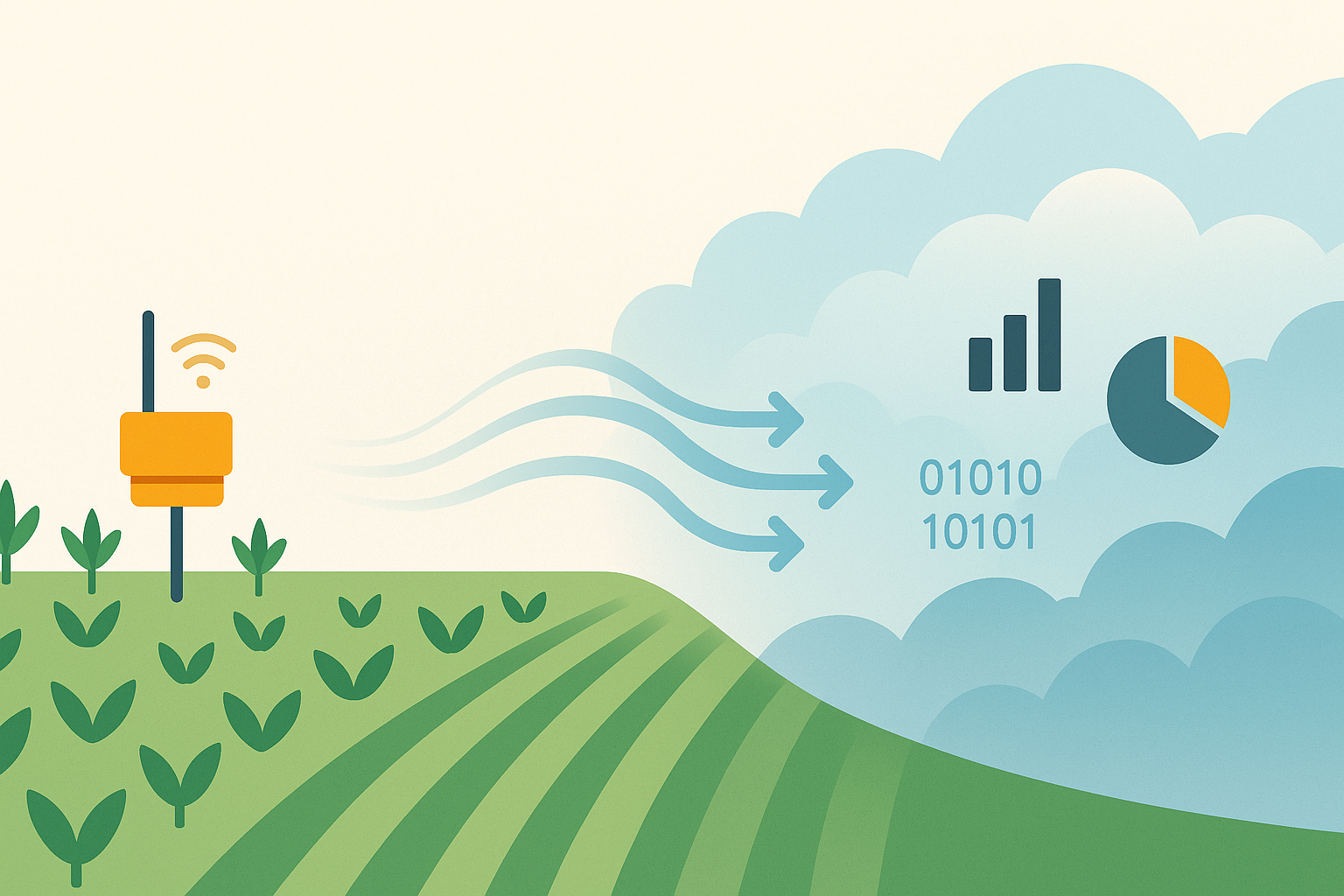
From Field to Cloud: How HEEPL’s Devices Enable Seamless Data Collection and Analysis
In an era where data is king, the ability to collect, analyze, and respond to water management data in real-time has become critical. For industries, municipalities, and commercial complexes dealing with water and wastewater management, this capability can mean the difference between smooth operations and costly regulatory penalties. Enter Hitesh Enviro Engineers Pvt Ltd (HEEPL), a leader in India’s water treatment sector, whose advanced solutions leverage cutting-edge technology to provide seamless data collection and analysis.
Understanding Field-to-Cloud Data Collection
Field-to-cloud data collection involves gathering data from physical sensors at the ground level (the “field”) and transmitting it to cloud-based platforms for analysis. This process allows for real-time monitoring, which is essential for modern facilities aiming to maintain compliance with stringent environmental regulations.
Why is this important? The growing complexity of water management systems demands not only compliance but also efficiency. As India’s urban areas expand and regulations tighten, facility managers and environmental officers are increasingly turning to data-driven solutions to optimize their operations.
HEEPL’s Pioneering Monitoring Devices
HEEPL stands out with its integration of sophisticated monitoring devices such as flowmeters and piezometers into their treatment systems. These devices are crucial for:
– Flowmeters: Measure the volume of water passing through a system, crucial for understanding usage patterns and detecting leaks.
– Piezometers: Used to measure the pressure within a body of water, helping assess the water table levels and pressure changes.
– Digital Water Level Recorders: Provide precise data on water levels, enabling accurate monitoring of resources.
These devices are seamlessly integrated into Sewage Treatment Plants (STP), Effluent Treatment Plants (ETP), and Reverse Osmosis (RO) systems designed by HEEPL. This integration ensures that clients can not only meet regulatory requirements but also optimize operational efficiency through real-time insights.
The Journey From Field Devices to the Cloud
The data journey begins with acquisition via sensors fitted on or near treatment systems. These sensors continuously monitor parameters such as flow rate, pressure, and water levels, providing a constant stream of data. But what happens next?
1. Data Transmission: Utilizes IoT (Internet of Things) technology for wireless communication between devices and cloud platforms.
2. Data Storage: Cloud platforms offer scalable storage solutions that ensure data is securely archived for future reference or analysis.
3. Data Analysis: Advanced analytics tools in the cloud process vast amounts of data to provide actionable insights. This can include anomaly detection, system optimization suggestions, or compliance reporting.
Benefits of Seamless Data Collection and Analysis
Real-time data collection offers numerous advantages that significantly enhance both operational efficiency and regulatory compliance:
– Regulatory Compliance: Automating data collection helps ensure accurate reporting to authorities, minimizing the risk of penalties due to non-compliance.
– Operational Efficiency: By enabling predictive maintenance, facilities can address potential issues before they become critical, thus reducing downtime.
– System Optimization: Early detection of anomalies allows for quick adjustments and optimizations that improve overall system performance.
Real-World Impact: Case Studies from HEEPL’s Experience
HEEPL has completed over 500 projects across India, each demonstrating the power of integrated monitoring solutions. For example:
– In a textile manufacturing facility facing frequent shutdowns due to inconsistent effluent treatment performance, HEEPL’s systems provided real-time monitoring that helped stabilize operations, increasing uptime by over 30%.
– A municipal wastewater treatment plant improved its compliance reporting accuracy by implementing HEEPL’s digital monitoring devices. This led to a reduction in regulatory fines by approximately 25% annually.
Industry Trends Shaping the Future of Water Management
The digital transformation in water management is rapidly advancing. Key trends include:
– IoT Adoption: More facilities are adopting IoT-enabled devices for real-time monitoring as part of their digital strategy.
– Data Transparency Demands: Increasing regulatory pressure requires greater transparency in how water is managed and reported.
– Sustainability Initiatives: Organizations are under pressure to optimize water reuse practices as part of broader sustainability goals.
Balancing Privacy Concerns with Operational Needs
While the benefits are clear, discussions around privacy remain pertinent. In online forums like Reddit’s IoT community, users express concerns about data privacy. However, many agree that the trade-offs are worth it when proper safeguards are in place. Self-hosted solutions or degoogled devices are often suggested as ways to enhance privacy without sacrificing functionality.
Conclusion: Partnering with HEEPL for a Data-Driven Future
For facility managers and decision-makers looking to modernize their water management practices, partnering with HEEPL offers a path to enhanced efficiency and compliance through state-of-the-art technology solutions. As India’s urban landscape continues to evolve rapidly, embracing field-to-cloud capabilities will be vital in meeting both current challenges and future demands effectively. With HEEPL’s expertise at your side, navigating the complexities of modern water management becomes a streamlined journey toward sustainability.
 HITESH ENVIRO ENGINEERS PVT LTD